Growing
Moringa (Moringa oleifera): Comprehensive Cultivation, Processing, and Use Guide
Complete guide to moringa cultivation covering Moringa oleifera growing parameters, propagation from seed and cuttings, leaf harvest optimization.
On this page
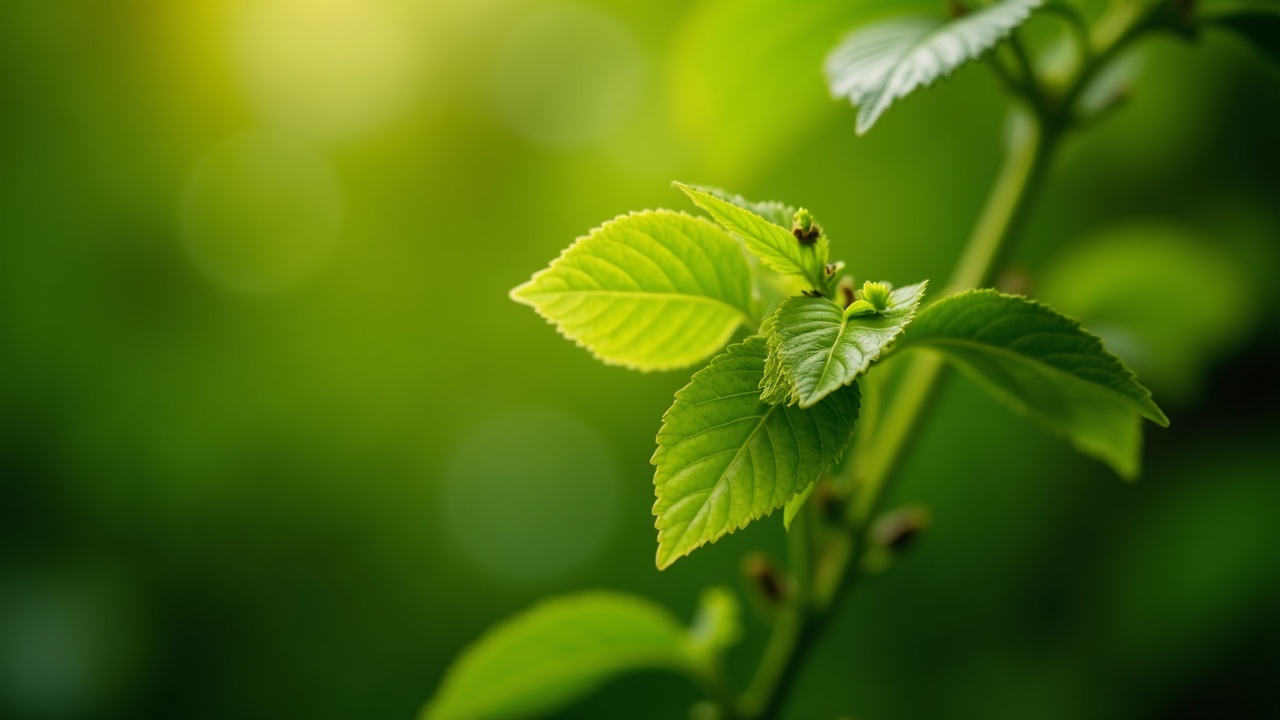
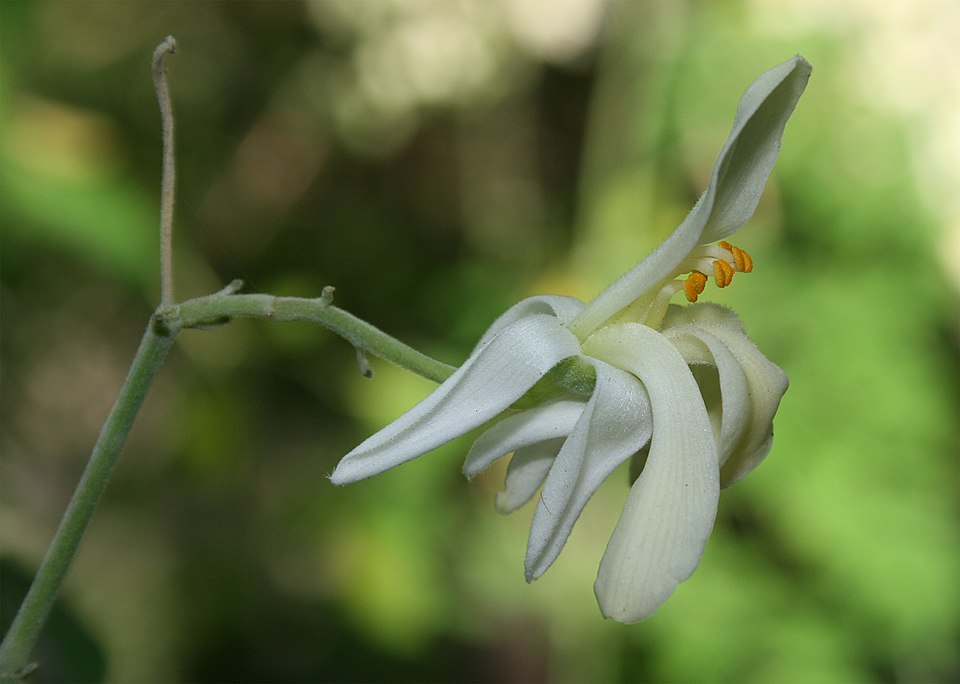
Moringa, Moringa oleifera, is a fast-growing, drought-tolerant deciduous tree native to semi-arid tropical regions. It typically reaches 20–40 feet (6–12 m) in height but is often maintained much shorter through pruning for leaf production. The tree has a soft, corky trunk, brittle branches, tripinnate leaves composed of many small oval leaflets, and fragrant cream-colored flowers arranged in loose panicles.
Nearly all parts of the plant are used: leaves, young pods, immature seeds, flowers, roots, and bark. The leaves are particularly dense in nutrients and secondary metabolites, including glucosinolates (notably glucomoringin), flavonoids (quercetin, kaempferol), phenolic acids, carotenoids, vitamins, minerals, and bioactive peptides.
Whole-Food Research Context
In modern scientific literature, moringa is discussed as a multifunctional food tree. Its compounds are studied for interactions with oxidative stress pathways, inflammatory signaling, glucose and lipid metabolism, endothelial function, and gut microbiota modulation. These discussions are consistently framed within whole-food nutrition, agricultural resilience, and food security research rather than pharmaceutical use.