Plants
Rhodiola Rosea
A comprehensive guide covering Rhodiola Rosea.
On this page
Rhodiola does not calm you down. That is the first thing to understand, and the thing most adaptogen marketing gets wrong. Where ashwagandha sedates and suppresses cortisol through GABAergic pathways, rhodiola stimulates. It inhibits the enzymes that break down your excitatory neurotransmitters. It activates the cellular energy sensor that drives ATP production. Soviet researchers did not give this plant to cosmonauts because it helped them relax.
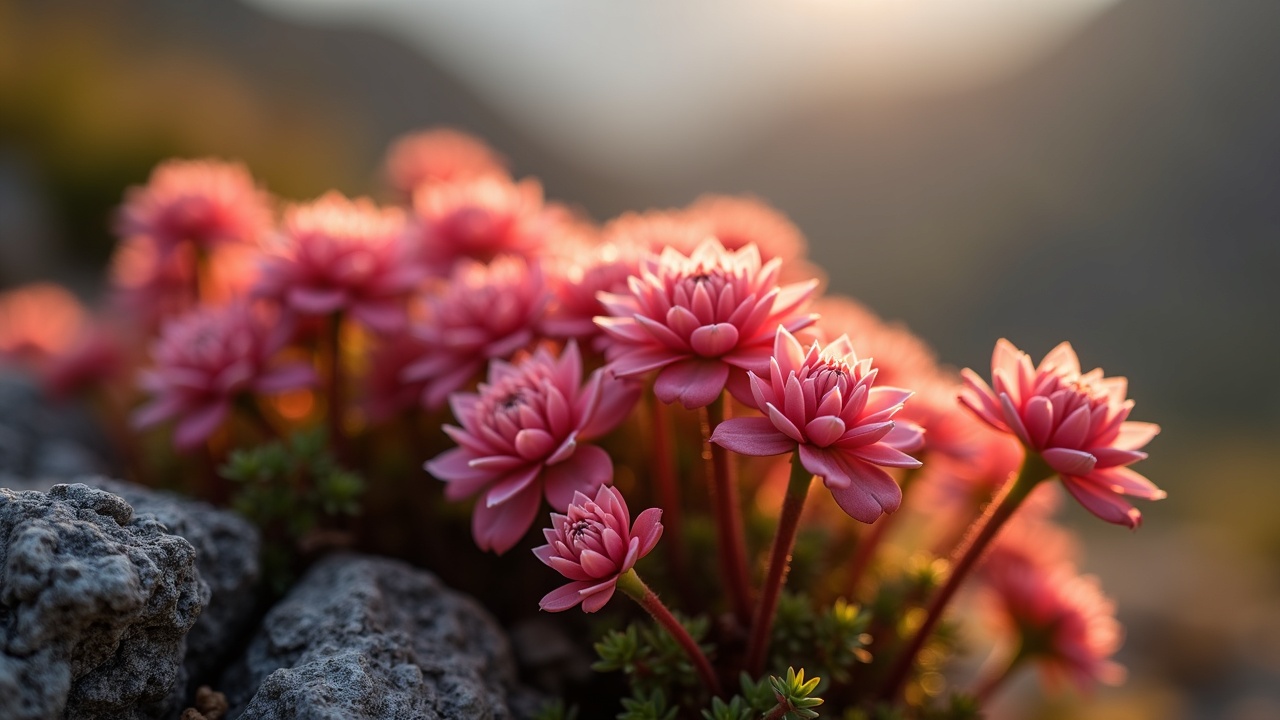
Rhodiola rosea L. belongs to the family Crassulaceae, the stonecrops, a family of succulent perennials adapted to extreme environments worldwide. The genus Rhodiola contains approximately 90 species distributed across Arctic and alpine regions of Europe, Asia, and North America, but R. rosea is the species with the deepest pharmacological research base and the longest documented history of human use.
The plant is a compact, succulent perennial herb reaching 5-40 cm (2-16 inches) in height. It is dioecious. Male and female flowers occur on separate plants. Stems are erect, unbranched, arising from a thick, fleshy rhizome that develops a characteristic rose-like fragrance when cut (the origin of the species name rosea). The rhizome is the primary medicinal organ and the source of all commercially relevant bioactive compounds.