Growing
Yarrow (Achillea millefolium): The Battlefield Herb That Belongs in Every Garden Ecosystem
Complete yarrow cultivation guide covering thousand-leaf botany, prairie and meadow planting, chamazulene chemistry, battlefield first-aid history.
On this page
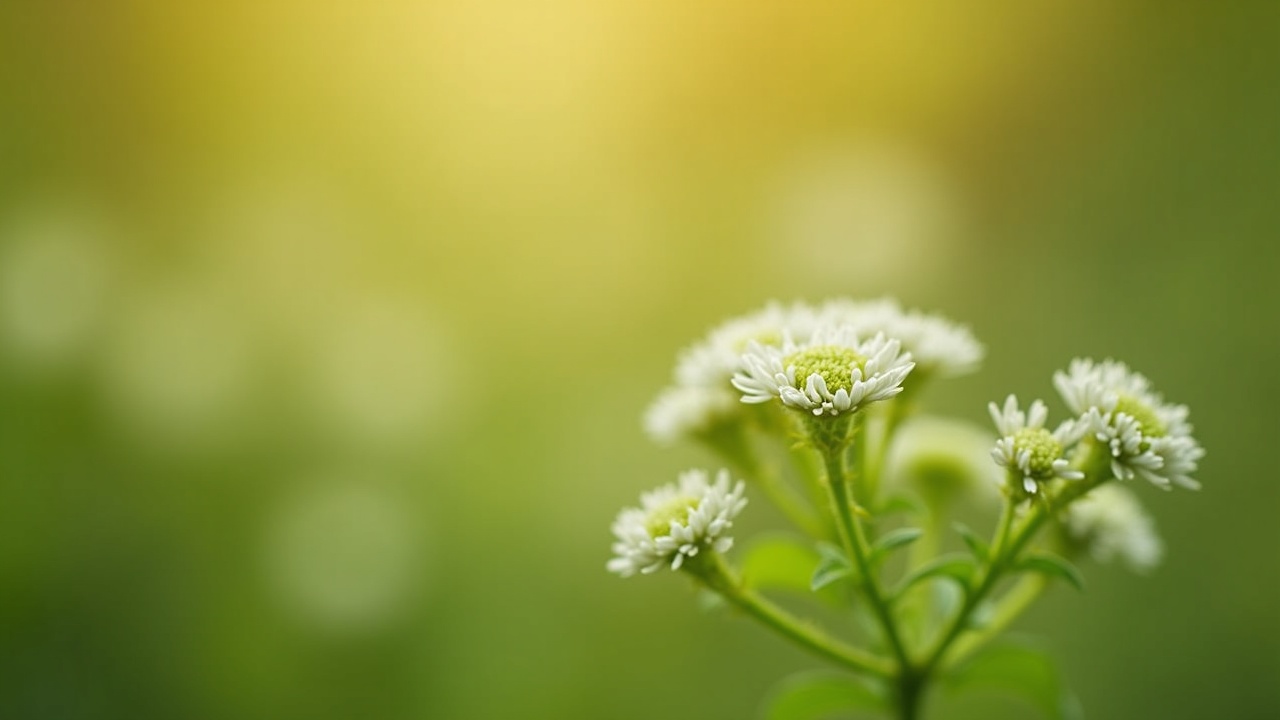
Yarrow (Achillea millefolium) is a tough, aromatic perennial in the Asteraceae family, native to temperate regions of the Northern Hemisphere. The species name millefolium (“thousand leaf”) describes the deeply dissected, fern-like foliage that gives the plant its characteristic feathery appearance. Plants grow 1–3 feet tall with flat-topped clusters (corymbs) of tiny white, pink, or yellow flowers.
The plant spreads by both seed and rhizome, forming extensive colonies over time. This spreading habit, combined with deep taproots that mine nutrients from subsoil layers, makes yarrow a foundational plant in prairie ecosystems and a valuable component in designed landscapes.
Mythological Origin
The genus name Achillea derives from the Greek hero Achilles, who, according to Homer, used yarrow to treat the wounds of his soldiers during the Trojan War. This association with battlefield medicine is remarkably persistent, yarrow was carried by soldiers through the Roman legions, medieval crusades, and American Civil War. The common names “soldier’s woundwort,” “staunchweed,” and “knight’s milfoil” all reference this unbroken martial tradition.