Extraction
How to Dry Herbs Before Extraction
When to extract fresh and when dried, how to dry without losing the compounds you want, and how to store dried herb.
On this page
When should you extract fresh herbs and when dried?
Plant material selection impacts every extraction. Fresh herbs contain significant water - up to 84% in some cases - which affects solvent efficiency. Dried herbs concentrate constituents and simplify the process, but require more consideration of particle size for optimal results.
Use fresh plant matter when targeting polar compounds best extracted with water or lower-proof ethanol. Herbs rich in flavonoids, phenolics, or general-purpose applications benefit from this approach. A water extraction and decoction works well here, but remember the limited shelf life of aqueous extracts. For a longer lasting product, consider an alcohol percentage between 40-50%, diluted with up to 60% water.
Dried herbs are preferable for extracting resins, oleoresins, volatile oils and gums. These compounds require higher ethanol concentrations - 90-95% - to dissolve effectively. Roots and barks containing alkaloids also respond better to dried material and stronger solvents. If using a glycerin extraction below 0.60 is critical for shelf stability. Proper drying herbs and proper [filtering and clarifying](/articles/filtering-and-clarifying-extracts].
How do you dry herbs without losing their compounds?
Preserving herbal compounds during drying relies on controlling water and protecting against degradation. Most fresh plant matter is roughly 75-95% water, the primary driver of spoilage. Removing this water isn’t about fragility or age; it's about eliminating the medium for microbial life. Properly dried herbs can last a year without refrigeration or canning because microorganisms cannot thrive below a water activity (Aw) of 0.60.
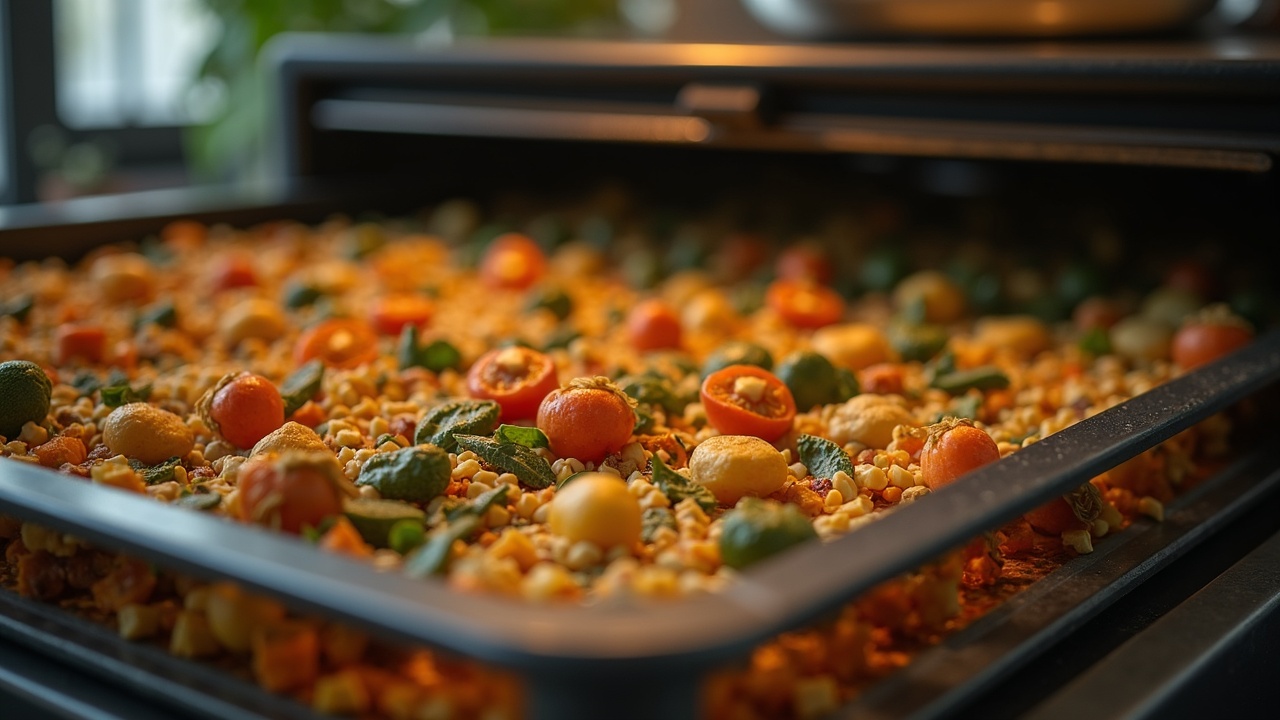
The oldest method, sun-drying, requires sustained temperatures above 85°F and good air circulation. Modern methods use similar principles: warm, dry air moving over plant material. Temperature is critical. Higher heat speeds evaporation but can case-harden the surface, trapping moisture inside. Lower temperature takes longer and risks microbial growth early in the process. Consistent airflow prevents saturation and maintains vapor pressure.
Two enemies beyond microbes exist: enzymatic browning and light. Enzymes cause color changes and flavor loss even at low Aw. Pretreatments like blanching or using ascorbic acid denature these enzymes before [drying herbs].
Moisture content and water activity are related but distinct. Fresh apples are about 84% water, but a dried apple with 20% moisture may not be shelf-stable depending on how tightly that remaining water is bound. Sugary fruits bind water more effectively than lean vegetables. Equilibrium moisture content (EMC) dictates how much moisture the herb will absorb from its environment; proper storage prevents reabsorption.
Consider the target compounds when [choosing a method]. Delicate molecules require gentler temperatures. While ethanol is often preferred for broad-spectrum extraction, some herbs benefit from alternative solvents like those used in [glycerin extraction] or even [water extraction and decoction], depending on desired outcomes. Always prioritize food-grade solvents and adhere to [solvent safety] guidelines.
How dry is dry enough?
Achieving proper dryness is the core of food preservation. Most spoilage isn’t about the food itself failing, but water enabling microbial life. Remove enough water and a perishable item can last for a year without refrigeration or canning. The goal is to reduce water activity (Aw) below 0.60, preventing any microbial growth.
Moisture content alone isn't enough information. Fresh apples are roughly 84% water, but dried apples at 20% moisture may still spoil depending on how tightly that remaining water is held. Sugary fruits bind water more strongly than lean vegetables; a dried mango at 15% moisture might have a lower Aw than a dried carrot at 10%. Understanding equilibrium moisture content (EMC) is also vital. Dried food will reabsorb moisture from humid air, potentially climbing from 8% to 15% in a 70% relative humidity environment. Proper storage is as important as drying herbs.
Historically, humans have relied on this principle for millennia. Sun-drying was the first method, with evidence dating back at least 12,000 years. Arid civilizations built food security around drying techniques like pemmican and chuño. Even today, the physics remain constant whether using ancient methods or modern electric dehydrators: move warm, dry air over food to carry away moisture.
During dehydration, temperatures matter. Higher heat speeds evaporation but can case-harden surfaces, trapping moisture inside. Lower temperatures are gentler but increase risk during early stages. Consistent temperature and sufficient airflow are essential; stagnant warm air saturates quickly. The original method requires sustained temperatures above 85°F and humidity below 60%.
Beyond microbial safety, enzymatic browning degrades quality even at low Aw. Pretreatments like blanching or using ascorbic acid denature enzymes before drying. This prevents color changes and off-flavors that can develop within months.
How do you store dried herb until you extract it?
Dried herbs require careful storage to maintain potency until you begin extraction. The enemy is moisture. Remember that most spoilage organisms need water to thrive; removing it extends shelf life dramatically. Properly dried material, with an Aw below 0.60, resists microbial growth but remains vulnerable to oxidation and light degradation.
First, ensure complete dryness. Moisture content matters. While a specific target depends on the herb, aim for significant water reduction from the fresh state of around 84% down to something much lower. Even at low water activity, enzymes can cause changes over time so proper storage is vital.
Store dried herbs in airtight containers. Glass jars are ideal; metal tins work well too. Avoid plastic, which can be permeable to oxygen and may impart flavors. Amber or dark-colored glass offers additional protection from light.
Control temperature and humidity. A cool, dark, dry place is best. Consistent temperatures below room temperature extend shelf life. Humidity should remain low, ideally below 60%. If you live in a humid environment, consider adding desiccant packets to the storage containers. These absorb any residual moisture.
Whole plant material stores longer than powdered herbs. Grinding increases surface area and accelerates degradation. Process only what you need immediately before [ethanol extraction] or another chosen method.
Properly stored dried herbs can remain potent for a year or more, though potency will gradually decline over time. Regularly inspect your herb supply for signs of mold, mildew, or off-odors. If in doubt, discard the material and start fresh. Consider these guidelines when [drying herbs] to begin with. Once extracted, refer to guidance on [storing extracts] for long term preservation.
Before any solvent work: use glass or stainless steel rated for the solvent, work outdoors or beside a fan pulling the vapour away from you, heat ethanol only on an electric or induction hot plate (never an open flame or a gas burner), and do not breathe solvent vapour. This guide is education, not medical advice: check with a doctor before using any herbal extract alongside medication, during pregnancy or for a child.