Plants
How to Make a Hibiscus Extract: Methods, Solvents and Shelf Life
Which parts of hibiscus to use, which method pulls out its compounds, the solvent and ratio, safety and how long the extract keeps.
On this page
What are you extracting from hibiscus?
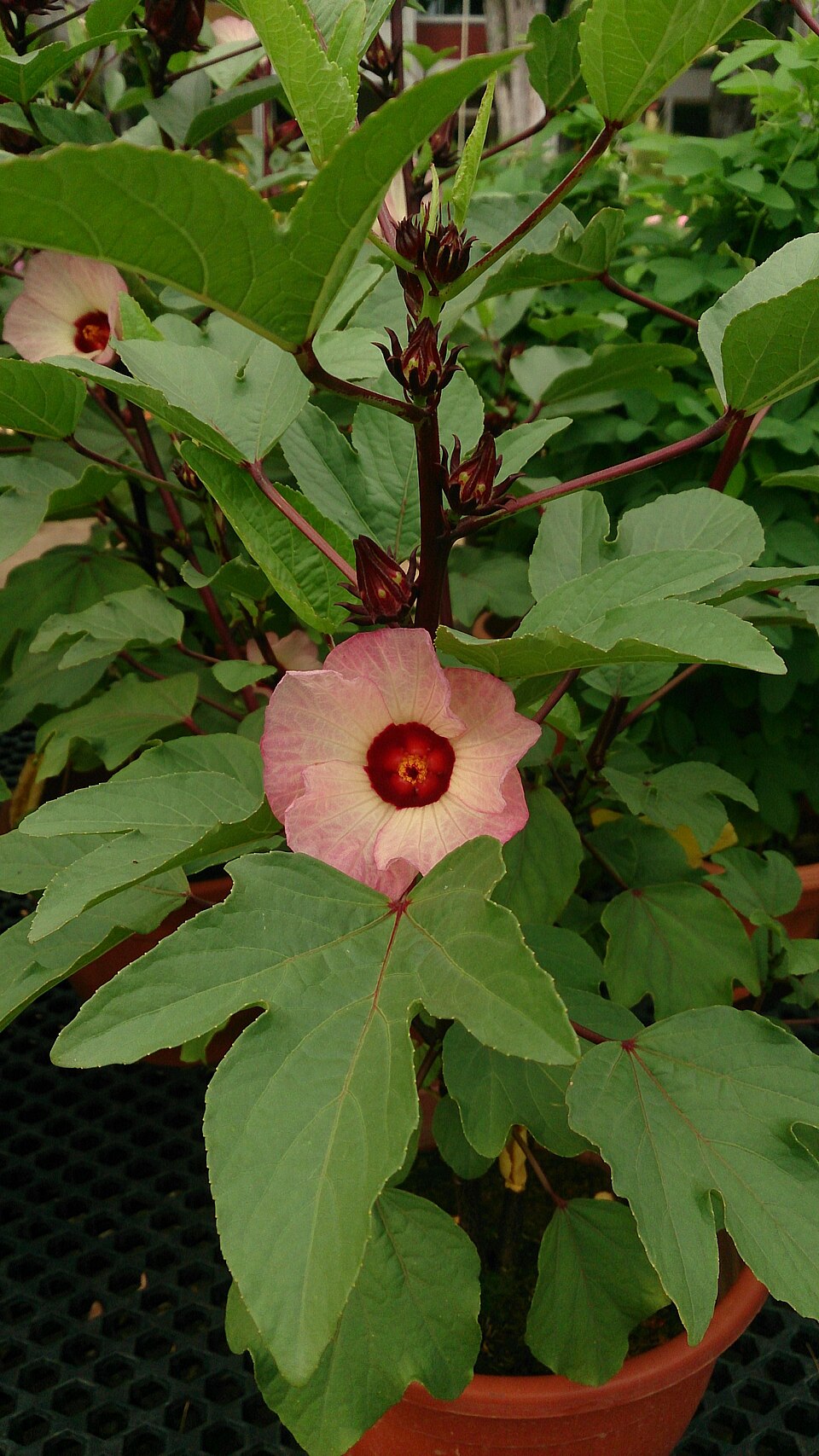
Hibiscus extractions center on several key phytochemicals responsible for its traditional and potential medicinal uses. These include minerals, vitamins, anthocyanins, flavonoids, polyphenolic acids, and organic acids. The concentration of these compounds varies based on plant maturity, genotype, and climate.
Anthocyanins, the pigments creating hibiscus’s ruby color, are a primary target. Specifically, cyanidin 3-sambubioside and delphinidin 3-sambubioside are found in high concentrations within the calyces, present in both cold and hot extracts. Organic acids contribute to its tartness; hydroxycitric acid, hibiscus acid, and malic acid are among those extracted. The calyx is also rich in citric acid and pectin, useful for preserves.
Extraction choices depend on what you want to capture. For a broad spectrum of compounds including anthocyanins and polyphenols, an ethanol tincture using 40-50% ethanol with 50-60% water is suitable. This ratio works well for general-purpose herbs like hibiscus. A 60-70% ethanol solution with 30-40% water could also be used, targeting alkaloids and glycosides if present in significant amounts.
For a non-alcoholic approach, glycerin extraction using a 60% glycerin / 40% water ratio is possible, though potency will be lower and shelf life limited to around one or two years. Vitamin C, abundant in the calyxes, is best captured with methods preserving its delicate nature.
Regardless of solvent choice, proper drying herbs before extraction is essential. Following extraction, filtering and clarifying removes particulate matter. Finally, ensure correct storing extracts to maintain potency over time, alcohol tinctures can last five years or more. Remember that food-grade ethanol is crucial; avoid denatured alcohol due to its toxic additives.
Which extraction method suits hibiscus, and why?
Hibiscus presents unique considerations when [choosing a method] for botanical extraction due to its complex phytochemical profile. Its medicinal effects stem from anthocyanins, flavonoids, polyphenolic acids, organic acids and vitamin C; these compounds dictate the best approach. The plant’s composition varies with maturity, genotype and climate, so standardization is valuable.
Ethanol is well-suited. A tincture using 40-50% ethanol and 50-60% water will capture flavonoids, phenolics, and general-purpose herbal constituents effectively. This ratio balances extraction efficiency with preservation of delicate compounds. Higher percentages, like 60-70% ethanol with 30-40% water, would also work, targeting alkaloids and glycosides present in hibiscus, though the plant is not particularly known for those. A 90-95% ethanol solution isn’t ideal as it favors resins and oils not prominent in hibiscus calyces.
Water extraction and decoction can access polar molecules like vitamin C and some organic acids, including citric acid and pectin. However, it will miss the broader spectrum of compounds an alcohol-based solvent captures.
Glycerin [glycerin extraction] is less effective overall; while useful for specific populations, its lower potency and shorter shelf life (1-2 years) make it unsuitable as a direct substitute for ethanol tinctures. Apple cider vinegar or oil infusions are similarly limited in scope. CO2 extraction offers precision but requires specialized equipment.
Regardless of the solvent chosen, use food-grade materials only. The traditional United States Pharmacopeia methods prioritized standardization, and while folk methods have their place, consistent results require attention to detail. Proper [filtering and clarifying] is essential for a clean final product, followed by careful [storing extracts] in airtight containers away from light and heat.
What solvent and ratio should you use for hibiscus?
Hibiscus extractions benefit from careful solvent selection based on desired compounds. The plant’s composition varies with maturity and climate, but key medicinal constituents include anthocyanins, flavonoids, polyphenolic acids, organic acids, and vitamin C. These fall broadly into the flavonoid and phenolic categories, best captured by an ethanol [ethanol extraction] at between 40-50% ethanol and 50-60% water. This ratio targets these compounds effectively while also extracting hibiscus’s organic acids.
A 60-70% ethanol / 30-40% water mix is also suitable, particularly if bitters are desired in the final product. The monograph notes high concentrations of anthocyanins, delphinidin-3-sambubioside and cyanidin-3-sambubioside, in both hot and cold extracts, further supporting an ethanol base.
Avoid glycerin [glycerin extraction] as a primary solvent; while useful for specific applications, it yields lower potency and is not equivalent to alcohol tinctures. Apple cider vinegar is unsuitable for comprehensive hibiscus extraction, though may capture minerals. Water [water extraction and decoction] will extract polar molecules but misses key components.
Food-grade ethanol is essential. Dilute a higher proof base like Everclear (190 proof / 95% ethanol) or organic grape alcohol to the target percentage using distilled water. Vodka, at 40% ethanol, is inadequate for comprehensive extraction of hibiscus’s full profile. The resulting tincture should be stored properly [storing extracts] to maintain potency and shelf life. Consider [filtering and clarifying extracts] before storage.
How do you make a hibiscus extract step by step?
Hibiscus extracts begin with properly prepared plant material. Thoroughly drying herbs ensures stability and prevents mold growth during storage. The calyxes contain anthocyanins, organic acids, vitamin C, and other polyphenols that contribute to the extract’s properties. Composition varies based on growing conditions; maturity impacts final results.
An ethanol tincture is a common method. First, select food-grade ethanol. Everclear or organic grape alcohol at 190 proof (95% ethanol) are suitable starting points. Dilution to the appropriate percentage depends on target compounds. For hibiscus’s flavonoids and phenolics, a 40-50% ethanol solution with 50-60% distilled water is effective. A 60-70% solution works for alkaloids and glycosides if desired.
Combine plant material with the chosen solvent in a clean glass jar. A typical ratio isn’t specified, but ensure the plant matter is fully submerged. Seal tightly and store in a cool, dark place. Macerate for several weeks, shaking daily to encourage extraction.
After maceration, filtering and clarifying removes particulate matter. Use cheesecloth or a fine-mesh strainer initially, followed by coffee filters if needed. This yields a liquid extract. If desired, evaporating solvent can concentrate the extract further, but requires caution and appropriate ventilation due to flammability.
Alternatively, a glycerin extraction uses vegetable glycerine diluted with water (60% glycerin / 40% water). This creates a sweeter, alcohol-free extract suitable for wider use, though it’s less potent and has a shorter shelf life of one to two years.
Proper storing extracts in airtight, dark glass bottles away from heat and light preserves potency. Always prioritize solvent safety when working with ethanol. Consider choosing a method based on desired outcome and available resources.
Who should be careful with hibiscus?
Hibiscus presents specific considerations for certain individuals. Its documented effects require awareness before use.
The antihypertensive activity of Hibiscus extracts stems from ACE inhibition, vasodilation and diuretic effects [STUDY]. This means those already taking blood pressure medication should monitor closely, as hibiscus may enhance the effect and potentially cause hypotension. The mechanism involves anthocyanins inhibiting an enzyme that constricts blood vessels [STUDY], but also includes polyphenols and hibiscus acid [STUDY].
Individuals with kidney conditions need caution. Hibiscus contains organic acids like hydroxycitric acid, hibiscus acid, and citric acid [ESTABLISHED]; these contribute to its tartness but could exacerbate existing renal issues. The calyx is rich in pectin, useful for jams, but this does not mitigate potential kidney stress.
Pregnancy and breastfeeding require avoidance. There is insufficient research regarding the safety of hibiscus during these periods. While traditionally consumed across cultures like karkade in North Africa [ESTABLISHED] or as agua de flor de Jamaica in Mexico [ESTABLISHED], traditional use doesn’t establish safety for vulnerable populations.
Those preparing a ethanol tincture should note the variability of hibiscus composition based on plant maturity, genotype and climate [ESTABLISHED]. This impacts potency, but also extraction choices. A 60-70% ethanol solution is suitable for alkaloids and glycosides [equipment], while a 40-50% solution works well for flavonoids and general use [equipment]. Avoid using denatured alcohol; only food-grade ethanol is acceptable [solvent safety]. Glycerin, at a typical ratio of 60% glycerin / 40% water, offers an alternative via [glycerin extraction], though it yields lower potency.
Finally, remember that hibiscus’s association with “cooling” the body is cultural - it's served chilled and refreshing in hot weather - not a physiological effect. Do not attribute thermoregulatory properties to this plant.
Before any solvent work: use glass or stainless steel rated for the solvent, work outdoors or beside a fan pulling the vapour away from you, heat ethanol only on an electric or induction hot plate (never an open flame or a gas burner), and do not breathe solvent vapour. This guide is education, not medical advice: check with a doctor before using any herbal extract alongside medication, during pregnancy or for a child.
How do you store a hibiscus extract, and how long does it keep?
Hibiscus extracts benefit from careful storage to maintain potency and prevent degradation. The ideal conditions depend on the solvent used during [ethanol tincture] production. Alcohol-based tinctures, made with between 40% and 95% ethanol, are stable for five years or more if stored correctly. Keep them in dark glass bottles, tightly sealed, away from direct sunlight and heat. A cool, dark place is best.
Glycerin extracts ([glycerin extraction]) have a shorter shelf life, typically one to two years. They also require dark, airtight containers and cool storage. Glycerin’s higher water content makes it more susceptible to microbial growth than alcohol.
Water extractions ([water extraction and decoction]), while traditional, are the least stable. Refrigeration is essential, and even then, expect a shelf life of only weeks or months. Mold and bacterial growth are concerns with aqueous extracts.
Regardless of solvent, protect your hibiscus extract from temperature fluctuations. Consistent cool storage preserves volatile compounds and prevents chemical changes. Avoid storing near stoves, radiators, or in direct sunlight. Proper [storing extracts] extends the usability of your botanical work.
Composition variability impacts stability; factors like plant maturity and climate affect the final product. Always label your extracts with the date of production for accurate tracking. If signs of spoilage appear, cloudiness, unusual odor, mold, discard the extract.
Remember that even under ideal conditions, some degradation will occur over time. While a properly stored hibiscus extract can remain potent for years, regular assessment is good practice.
Which guides go with this one?
- Ethanol tincture
- Glycerin extraction
- Drying herbs
- Filtering and clarifying
- Storing extracts
- Evaporating solvent
- Solvent safety
- Choosing a method
Sources
- TRADITIONAL Shinnecock (Native American) - Urinary -- Aid Infusion of dried stalks applied for inflammation of the bladder. Carr, Lloyd G. a
- TRADITIONAL Documented medicinal use - Antibilious Antiscorbutic Antiseptic Aphrodisiac Appetizer Aromatic Astringent Cholagogue Demulcent D
- TRUSTED general - Preparation: Infusion To make an infusion place 1.25–1.5 g teaspoon of dried material in 240 ml of boiling water, simmer g
- | harvestwhen | Fall | |