Other
Sage
Sage (Salvia officinalis) growing guide: botanical description, origin and history, plant morphology, climate and growing conditions, and soil needs.
On this page
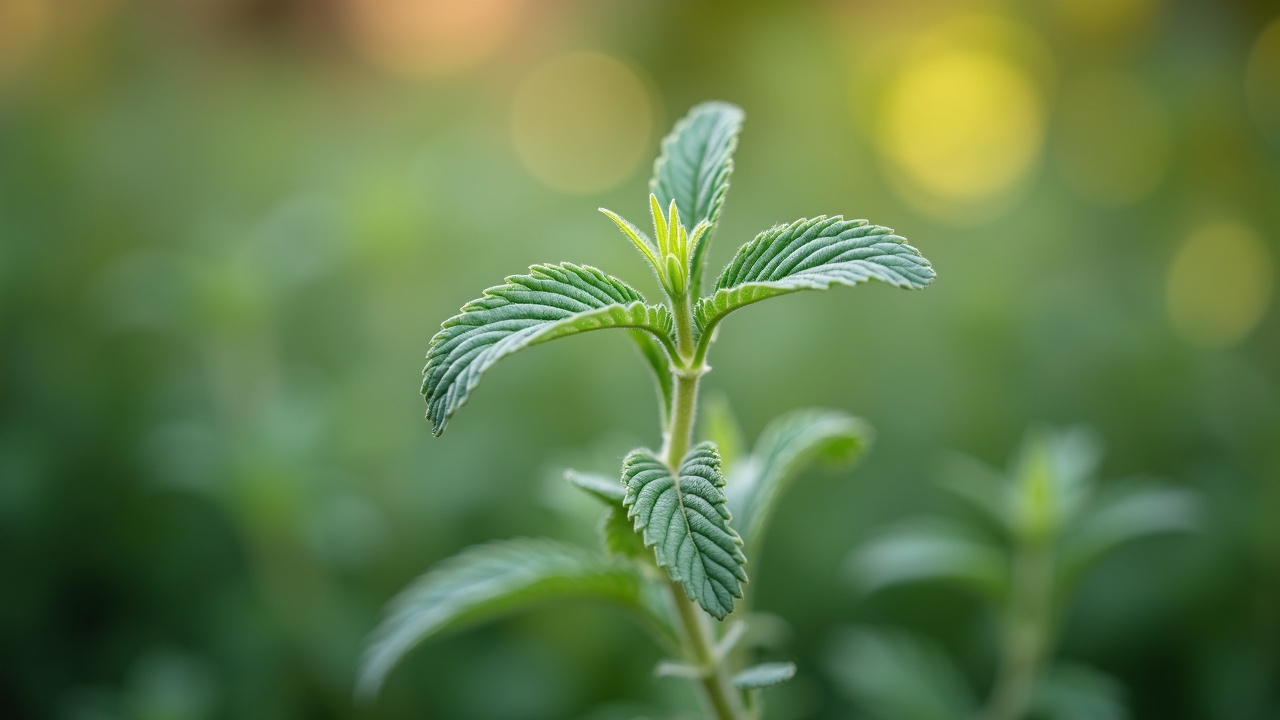
Sage is a woody-stemmed perennial subshrub that grows 12–30 inches tall and equally wide. Stems become lignified and square-sectioned as they mature, typical of the mint family. New growth is soft and herbaceous, aging to grey-brown wood by the second year.
Leaf: Opposite, oblong-lanceolate, 1–3 inches long. Upper surface textured with a fine network of raised veins creating a pebbly texture. Lower surface densely covered with short trichomes that give the characteristic silvery-grey appearance. Margins are finely crenulate. Crushed leaves release a strong camphoraceous aroma from glandular trichomes containing essential oil.
Flower: Bilabiate (two-lipped), typically violet-blue to lavender, arranged in whorls of 4–8 flowers along terminal racemes. Each flower is 1–1.5 cm long. The calyx is tubular, five-toothed, and glandular-pubescent. Sage flowers are strongly bee-attractive and produce moderate nectar.